Shooting in the Dark: How I Photograph Concerts and Low-Light Events
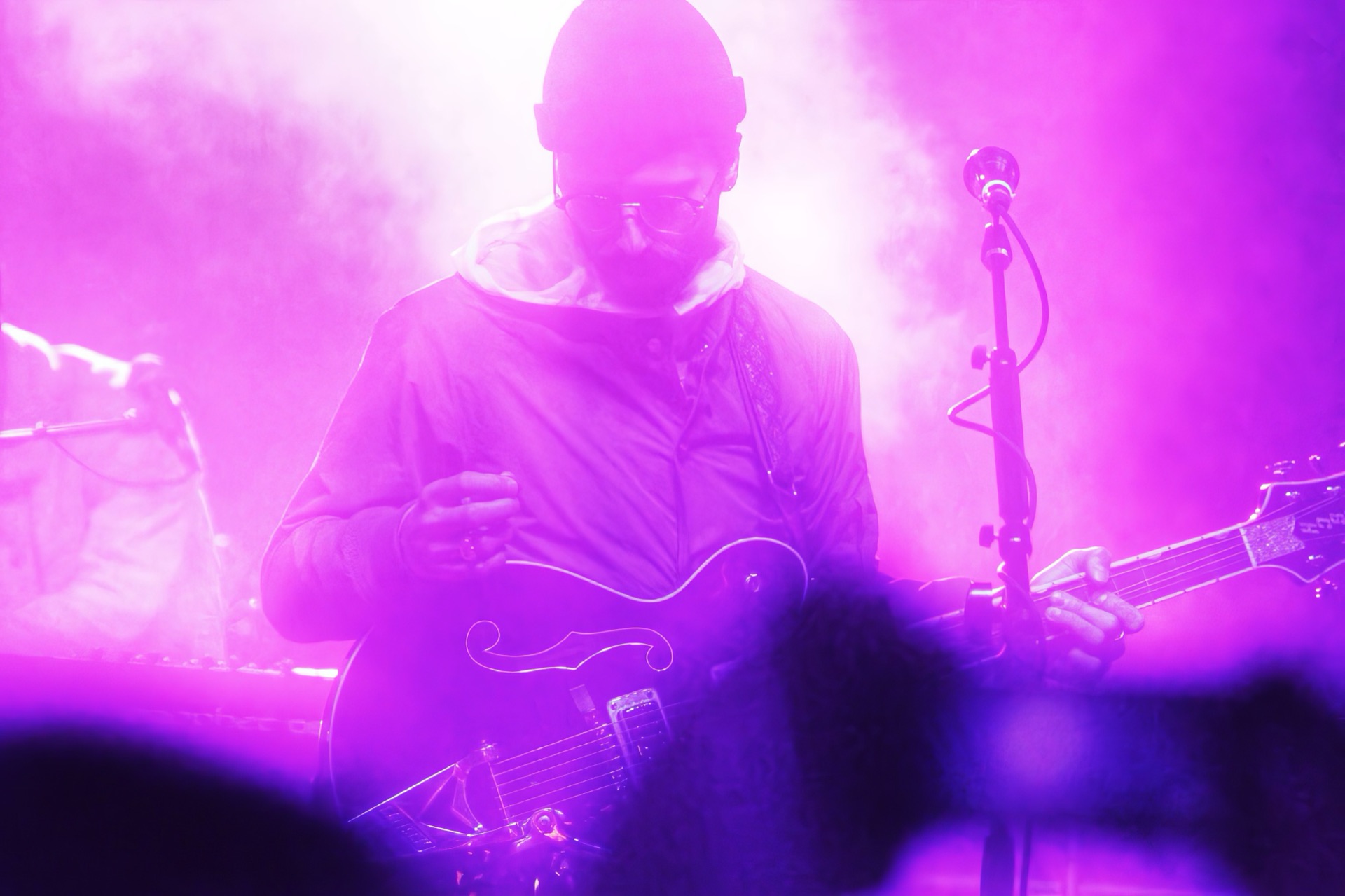
Concerts, galas, dance performances, live broadcasts — the events I love most are usually the darkest rooms I work in. Low light is where a lot of cameras (and a lot of photographers) fall apart. Here’s how I keep delivering crisp, emotional frames when the venue is fighting me.
Why low light is genuinely hard
Stage lighting changes by the second, color casts swing from deep red to harsh blue, and the action never pauses for you. You can’t ask a guitarist to hold a jump. You either anticipate the moment or you miss it.
Fast glass and a confident ISO
Bright, fast lenses gather the light a dim room won’t give you, and I’d rather embrace a little grain at a high ISO than hand you a blurry frame. Clean and sharp beats noiseless and soft every time — grain reads as mood; blur reads as a mistake.
Shoot the moment, not the settings
The technical work has to be muscle memory so my attention stays on the room: the singer’s eyes closing on a high note, the crowd’s hands going up, the quiet second before the drop. Those beats don’t repeat. My job is to live one moment ahead of them.
Reading a room
Every venue has a rhythm. I spend the first song just watching — where the light pools, where the energy builds, where I can move without becoming part of the show. By the second song I know exactly where to stand.
The best concert photo isn’t the sharpest one. It’s the one that makes you remember how the night felt.
If you’re an artist, promoter, or venue who needs coverage that actually captures the energy of the night — see the portfolio or get in touch.